Why Millions of Americans Wake Up Exhausted Even After 8 Hours of Sleep
Sleep researchers explain why duration alone doesn't determine how rested you feel—and the four factors that silently destroy deep sleep architecture.
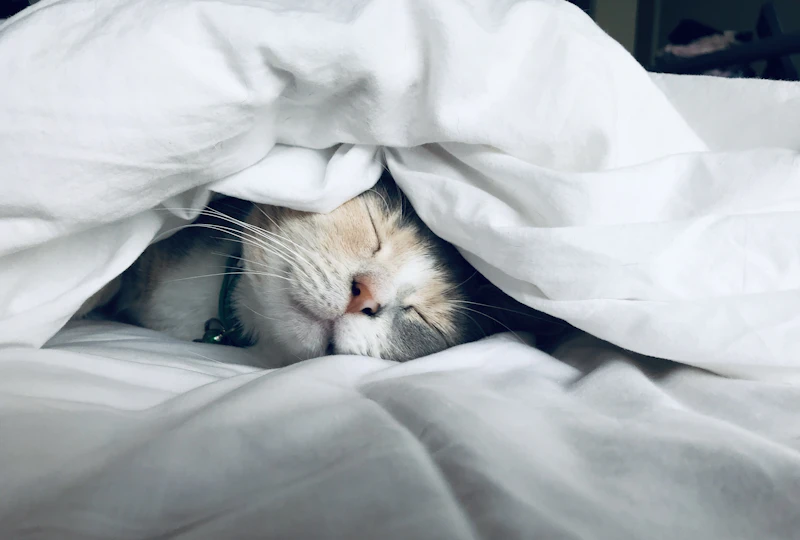
The hours you spend in bed and the quality of sleep you achieve are often two entirely different numbers.
If you're sleeping eight hours and still dragging through the day, you are not alone—and the problem is not laziness. According to data from the American Sleep Association, approximately 35% of adults who report sleeping the recommended duration nevertheless rate their daily energy levels as poor or very poor. Sleep researchers have spent the last decade untangling why, and the answer consistently points to the same culprit: deep sleep architecture collapse.
Why Duration Is Not the Whole Story
Sleep cycles through five stages, with the most restorative being slow-wave sleep (Stage 3, or SWS) and REM sleep. These stages are responsible for physical repair, immune function, memory consolidation, and hormonal regulation. Most adults should be spending roughly 20-25% of their sleep time in slow-wave sleep. Studies suggest that many Americans getting "eight hours" are achieving less than 10%—meaning they spend most of the night in lighter Stage 1 and Stage 2 sleep, which provides marginal restoration.
"Eight hours of fragmented, shallow sleep is not eight hours of rest. It's closer to four hours of actual sleep in terms of biological benefit. The metrics that matter are architecture, not duration." — Dr. Patricia Walsh, Sleep Medicine, University of Colorado
The Four Biggest Disruptors
1. Evening Alcohol. Alcohol is widely believed to improve sleep because it accelerates sleep onset. In reality, it dramatically suppresses REM sleep in the first half of the night and fragments sleep in the second half as it metabolizes. A single drink within four hours of sleep reduces REM sleep by an average of 24%. Two or more drinks can reduce it by over 40%.
2. Bedroom Temperature Above 68°F. Core body temperature must drop approximately 1-2°F to initiate and maintain deep sleep stages. In rooms above 68°F (20°C), this thermoregulation is impaired, and the body spends more time in lighter sleep stages attempting to compensate. Sleep lab studies consistently identify 65-67°F as the optimal sleep temperature for most adults.
3. Screen Use Within 90 Minutes of Bedtime. Blue light from screens suppresses melatonin production by up to 50% and, more critically, activates the brain's arousal networks. The content itself matters as well—emotionally engaging material (news, social media, dramatic television) triggers cortisol release that antagonizes sleep pressure and suppresses slow-wave sleep entry.
4. Inconsistent Sleep and Wake Times. The circadian rhythm is a powerful biological clock, but it is also fragile in one specific way: it is calibrated by consistent timing. Adults who vary their wake time by more than 60 minutes on weekends (social jet lag) show measurably disrupted deep sleep architecture throughout the following week. This effect is dose-dependent—a two-hour weekend shift can disrupt circadian alignment by a full day.
What Actually Works
The research on sleep quality intervention is more consistent than on almost any other health topic. The following changes produce measurable improvements in sleep architecture within two to three weeks in the majority of adults who implement them consistently:
- Set a fixed wake time and maintain it seven days a week
- Keep the bedroom at 65-67°F
- Avoid alcohol within four hours of sleep
- Stop screens 60-90 minutes before bed; replace with reading, stretching, or non-stimulating audio
- Get 10-15 minutes of outdoor light exposure within 30 minutes of waking
None of these require a prescription, a device, or a financial investment. They require only consistency—which, sleep researchers acknowledge, is the hardest part for most Americans living irregular schedules.
For those whose exhaustion persists despite consistent implementation of sleep hygiene practices, evaluation for sleep apnea, restless leg syndrome, or other treatable sleep disorders is warranted.
This article is for informational purposes only. If you have persistent sleep difficulties, consult a sleep medicine specialist or your primary care physician.

